
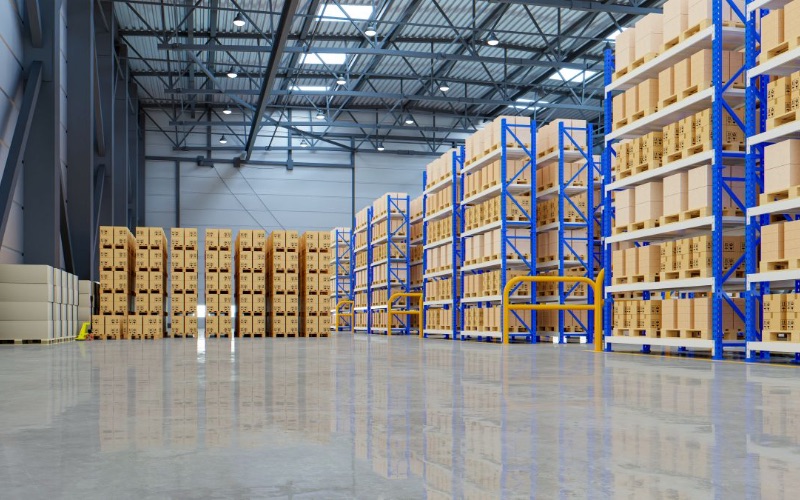
Why Warehouse Flooring Matters
The floor of a warehouse is more than a surface beneath pallets and forklifts. It is the silent backbone of operations, dictating how efficiently goods move, how safely employees work, and how cost-effectively the facility runs. Weak, cracked, or poorly designed floors compromise workflow, increase hazards, and shorten the lifespan of equipment.
As warehouses continue to expand in both size and complexity, flooring has become a strategic decision rather than an afterthought. Choosing the right system means balancing strength, safety, and maintenance. Among the many options, epoxy warehouse flooring has emerged as the preferred choice, delivering durability and performance tailored to the demands of modern logistics.
What Warehouse Flooring Must Endure
Heavy Loads and Constant Traffic
Warehouse flooring must withstand relentless weight from forklifts, pallet jacks, storage racks, and stacked goods. Repeated motion grinds down unprotected surfaces, while static loads test their strength. Floors that chip, crack, or deform under pressure quickly disrupt productivity.
Spills, Moisture, and Chemical Resistance
From hydraulic fluids to cleaning solutions, spills are inevitable in warehouse operations. Unprotected concrete absorbs these substances, leading to staining, erosion, and weakened integrity. Moisture intrusion compounds the problem, creating unsafe conditions. A reliable warehouse floor must resist chemicals and shed liquids easily.
Environmental Variations
Some warehouses operate in chilled storage conditions, while others face seasonal humidity and temperature swings. Expansion, contraction, and condensation test the resilience of flooring. Inferior systems crumble under these stresses, while high-performance coatings remain stable.
Worker Safety and Slip Resistance
Warehouses are high-traffic workplaces where slips, trips, and falls pose serious risks. Floors must provide traction, even when wet or oily, and can be designed with color zones that designate safe walkways, forklift routes, or restricted areas.
Downtime and Maintenance Concerns
In warehousing, downtime equates to lost revenue. Every minute spent repairing flooring or shutting down aisles disrupts the supply chain. Ideal flooring solutions must install quickly, cure rapidly, and be easy to clean and maintain.
Why Epoxy is Ideal for Warehouse Flooring
Seamless and Non-Porous Surface
Epoxy flooring creates a smooth, joint-free finish that resists the infiltration of dust, dirt, and liquids. This makes cleaning easier and minimizes maintenance, critical for warehouses with large surface areas.
Superior Chemical and Impact Resistance
Epoxy is engineered to withstand spills from oils, solvents, and corrosive chemicals. Its hard surface resists abrasion from heavy traffic and the impact of dropped goods, protecting both the floor and the equipment used on it.
Strength Under Heavy Traffic
Forklifts, pallet jacks, and carts put immense pressure on warehouse flooring. Epoxy systems are designed to carry these loads without cracking or wearing thin, extending the life of the surface and supporting long-term operational needs.
Fast Installation and Return to Service
Epoxy can be installed quickly and, depending on the formulation, cured in as little as 24 hours. This allows warehouses to minimize downtime and resume operations without costly delays.
Customization for Safety and Efficiency
Epoxy flooring allows for customization beyond aesthetics. High-gloss finishes improve lighting efficiency by reflecting available light, brightening large spaces. Color zoning and line striping enhance safety and organization, creating clear traffic patterns and storage zones.
Common Applications of Warehouse Epoxy Flooring
Distribution Centers
With thousands of products moving daily, distribution centers need flooring that resists abrasion, spills, and continuous forklift traffic. Epoxy delivers seamless performance, supporting both speed and safety.
Cold Storage Warehouses
Cold storage requires flooring that resists condensation and thermal shock. Epoxy withstands freezing temperatures while maintaining slip resistance. Its impermeable surface also prevents moisture intrusion, a key factor in food safety compliance.
Logistics and Fulfillment Hubs
Modern e-commerce facilities demand efficiency. Epoxy flooring reduces dust, enhances lighting, and supports automation by creating smooth, consistent surfaces for equipment and robotics.
Mixed-Use Warehousing
Some warehouses house retail spaces, office areas, or customer-facing showrooms alongside storage. Epoxy’s versatility allows for decorative finishes that balance durability with aesthetics.
Design and Safety Options
High-Gloss Finishes
Reflective epoxy coatings improve visibility in expansive warehouses, reducing reliance on artificial lighting and cutting energy costs.
Safety Striping and Color Coding
Built-in color zones enhance organization and safety. Walkways, loading areas, and restricted zones can be clearly marked with epoxy finishes, reducing accidents and ensuring compliance with OSHA guidelines.
Slip-Resistant Additives
Aggregates or textured finishes can be integrated into epoxy flooring to provide slip resistance, especially in high-risk zones like loading docks or refrigerated storage.
Installation Process for Warehouse Epoxy Flooring
Surface Preparation
Preparation is the cornerstone of successful installation. Concrete must be cleaned, repaired, and mechanically profiled using grinding or shot-blasting. This ensures a secure bond between the epoxy and the substrate.
Multi-Layer Application
Warehouse epoxy systems often involve multiple layers—a primer, base coats, and a topcoat. Each layer adds strength, durability, and resistance to wear and chemicals. Optional additives can enhance safety or aesthetics.
Curing and Downtime Management
Epoxy flooring requires curing to reach maximum strength. With careful planning and fast-curing systems, downtime is minimized, allowing warehouses to return to full operation quickly.
Maintenance and Best Practices
Routine Cleaning
Daily sweeping and periodic mopping with non-abrasive cleaners keep epoxy floors clean and functional. Their seamless finish prevents dust buildup, an added advantage for inventory management.
Periodic Resealing or Recoating
Every few years, a fresh topcoat restores shine, slip resistance, and protective qualities. Regular inspections ensure minor wear is addressed before it escalates.
Avoiding Common Pitfalls
Using harsh cleaners, neglecting routine maintenance, or dragging heavy equipment without protective measures can shorten the lifespan of epoxy floors. Avoiding these mistakes ensures decades of reliable performance.
Why Choose Epoxy Schaumburg for Warehouse Flooring
Epoxy Schaumburg specializes in tailoring epoxy systems to the unique demands of warehouse operations. Their expertise includes:
- Professional preparation and repair to ensure long-lasting adhesion
- Knowledge of warehouse-specific needs such as heavy traffic, safety zones, and spill resistance
- Ability to deliver fast-curing solutions that minimize downtime
- Local experience in Schaumburg ensures compliance with regional regulations and performance in Illinois’ climate
With Epoxy Schaumburg, warehouse operators gain a trusted partner dedicated to building durable, safe, and efficient flooring systems.
A Solid Foundation for Warehouse Success
Warehouse flooring is not just about supporting shelves and forklifts. It is a strategic investment in efficiency, safety, and long-term savings. Epoxy flooring, with its strength, chemical resistance, and customizable safety features, has proven itself as the gold standard for warehouse operations.
For businesses in Schaumburg, upgrading to epoxy flooring means more than a cosmetic improvement—it means laying down a foundation that sustains growth, protects employees, and strengthens operations for years to come.